There’s been a revolution of inclusion for people with disabilities participating in all manner of sports using specialized equipment, rule changes and altered formats.
On May 30 the Glen Park Recreation Center played host to the San Francisco Adaptive Sports Fair, co-sponsored by BORP (Bay Area Outreach & Recreation Program), Sutter Health California Pacific Medical Center and SF Recreation and Parks Department.
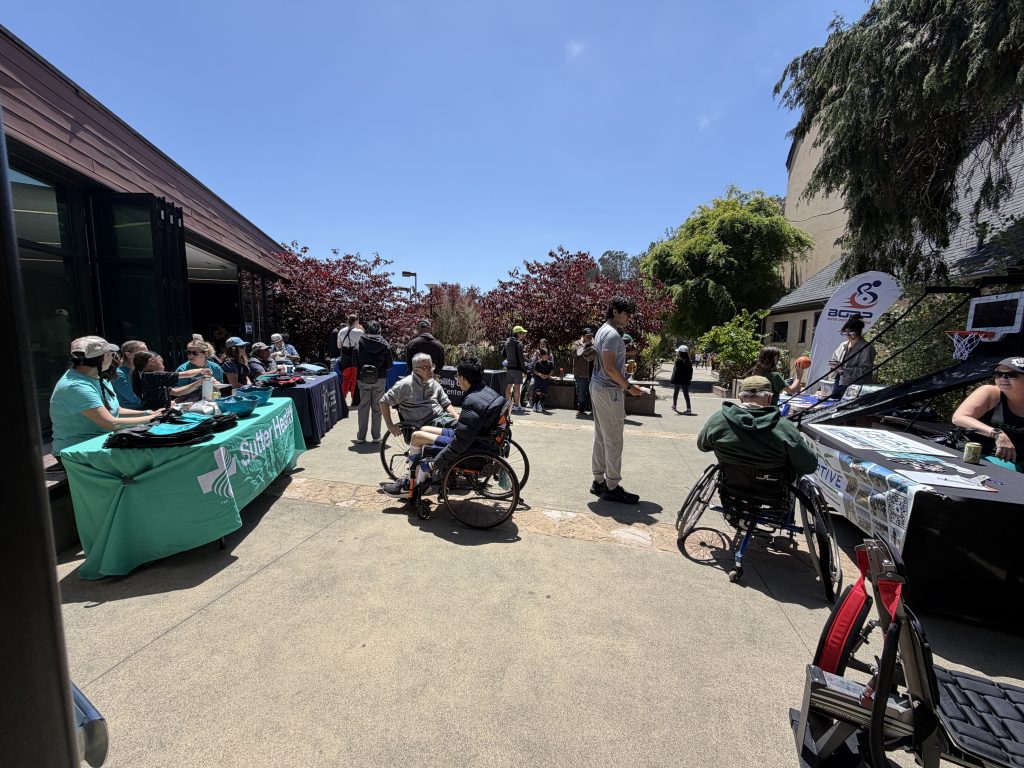
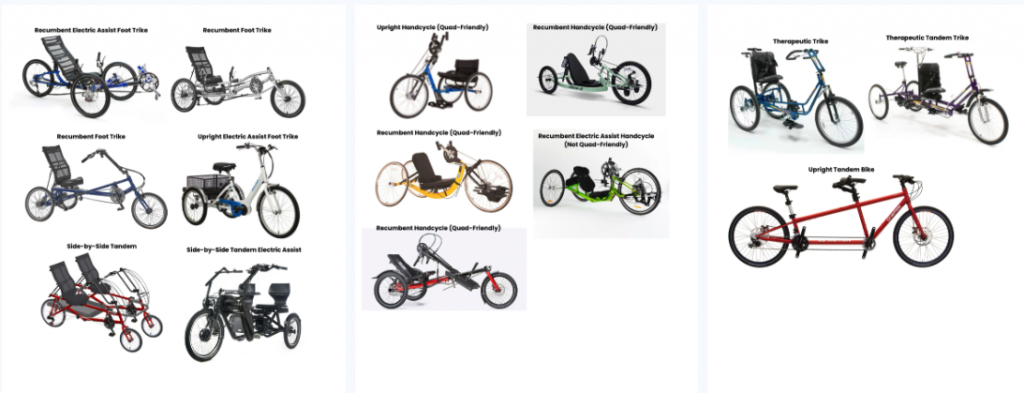
BORP, based in Berkeley, provides year-round adaptive sports and recreational activities for individuals with disabilities, including wheelchair basketball, kayaking, fitness classes, power soccer, goalball (a team sport for visually impaired athletes)and an extensive cycling program featuring hand cycles.
“We have sports for people who use wheelchairs and a robust cycling program including hand cycling, and kayaking and fitness classes,” says Emily Seelenfreund, executive director of BORP. “A lot of our programs are in Berkeley but we have a cycling program in Golden Gate Park every Saturday.”
A representative from the Sutter Health CPMC acute rehabilitation department explained their role in supporting cord injury recovery. Clinicians emphasize the importance of referring patients to adaptive programs before they complete their acute rehabilitation. The program has expanded significantly, now offering diverse activities such as core ball, pickleball, adaptive cycling, rowing, and fencing.
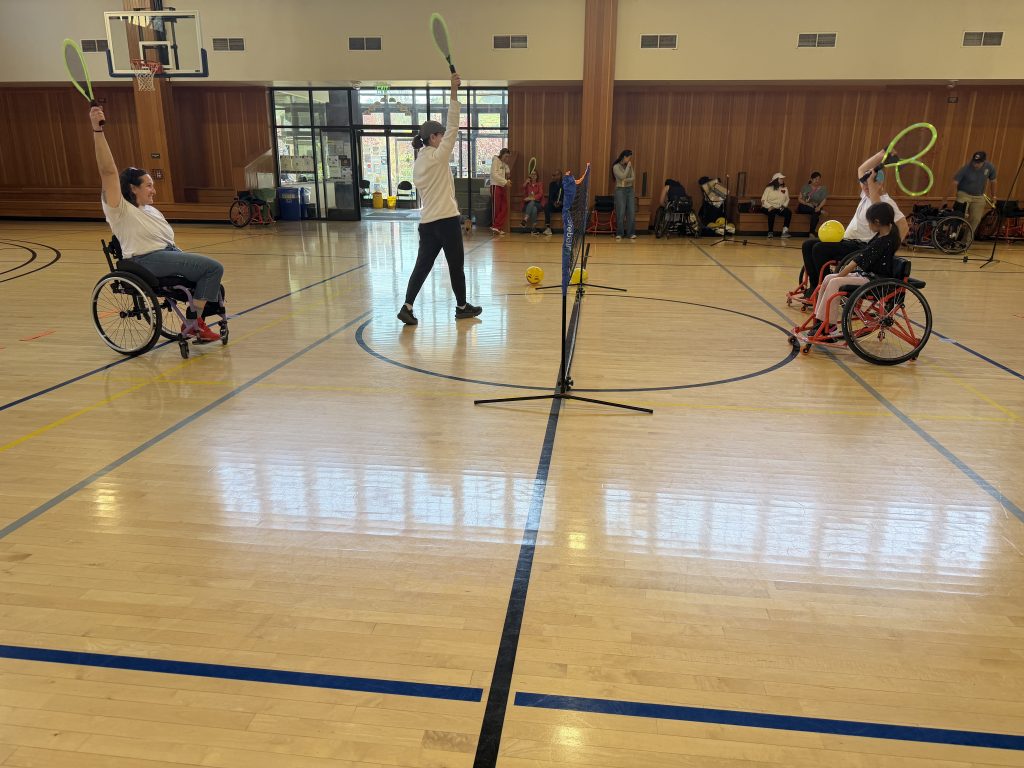
A representative of the unit noted “Part of our role as rehab clinicians is to get people connected with organizations that they’re interested in so they can transition and stay active. We serve people of all abilities undergoing big life changes helping them to recover. This is our second year co-sponsoring this event with BORP.”
Environmental Traveling Companions (ETC), established in 1972, is a volunteer-based group dedicated to providing inclusive activities to teenagers of all abilities and backgrounds: Sea kayaking experiences on the San Francisco Angel Island and Tomales Bays, backpacking in the Sierras, and whitewater rafting on the South Fork of the American River or Oregon’s Rogue River (one of the first disability rafting companies in the country). The program has grown to include day trips, overnight excursions, and specialized youth expeditions. Whereas sea kayaking is a one-day trip, river rafting is multiple days.
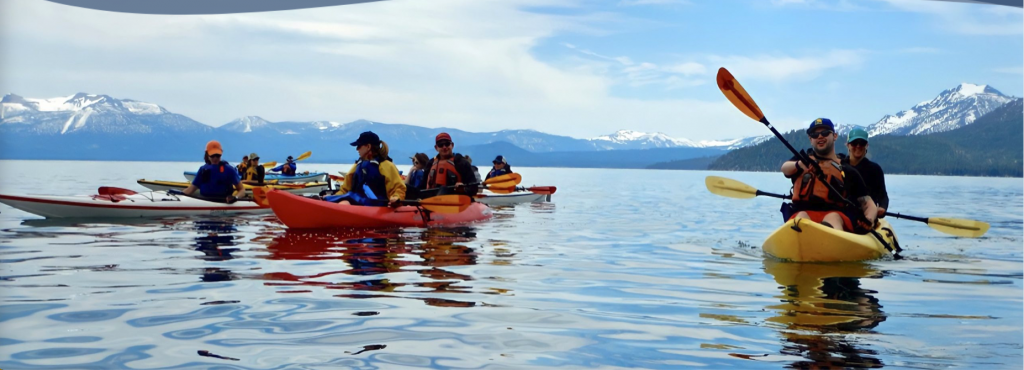

Based in West Marin, they offer experiences like bioluminescence kayaking in Tomales Bay, using tandem kayaks to ensure comfort and support.
Executive Director Aimee Good says, “One thing I really love about this program is when I see them go out on the water is the smiles. They get a little nervous and then a big smile comes into play once they get into the groove of river rafting or sea kayaking. And we do a youth program, which offers 14- and 21-day programs (with scholarships available). It’s really important for them to work with multiple people, learn about the environment and Marin and everything you can think of. We’re also starting a paddling program. We have a lift to get people into the boat if needed.”
Ron Lee, a representative from Matia Mobility, explained the benefits of their motorized standing frame, a device designed to assist individuals with mobility challenges—including those with spinal cord injuries (60% of clients), MS, or stroke—in transitioning from a seated to a standing position. They sit on a special pad that attaches to the machine, and they can stand up right from their wheelchair or wherever they happen to be sitting.
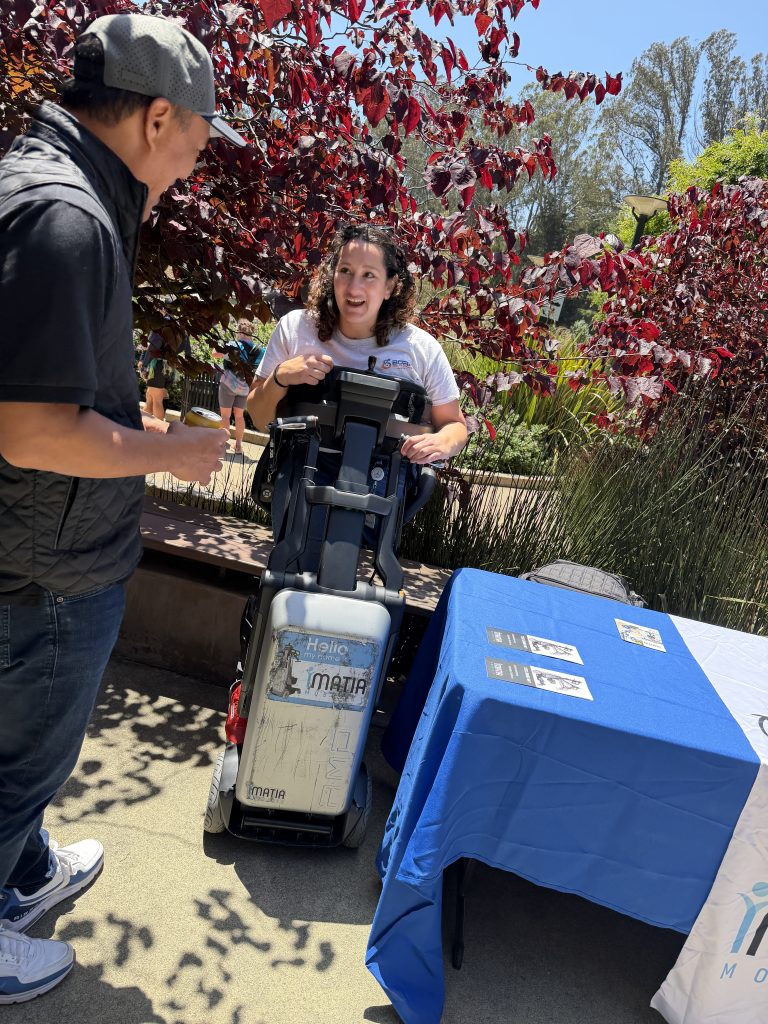
The company, an eight-year-old startup, is currently focused on increasing awareness and securing insurance coverage. While Veterans Affairs currently covers the device entirely, commercial and private insurance are partially covering it as well. The company is optimistic that Medicare coverage will follow within one or two years, potentially making this life-enhancing technology accessible to a much broader population of users. It will open up a lot of doors for people who are on Medicare who can’t normally afford the device.
“Folks who are in wheelchairs, a lot of times they’ll suffer from pressure sores and ulcers. So changing positions can assist them with avoiding those complications,” says Lee. “Also they will experience circulatory issues like low blood pressure. Their blood pressure will normalize when they stand. They can be weight bearing again which is great for their bones and bone density. Digestion is a lot better as well.”
“The best part is they can talk to people at eye level again.”
San Francisco Fencing Academy, located in North Beach, offers diverse fencing programs, which include youth classes, blind fencing, and wheelchair fencing. 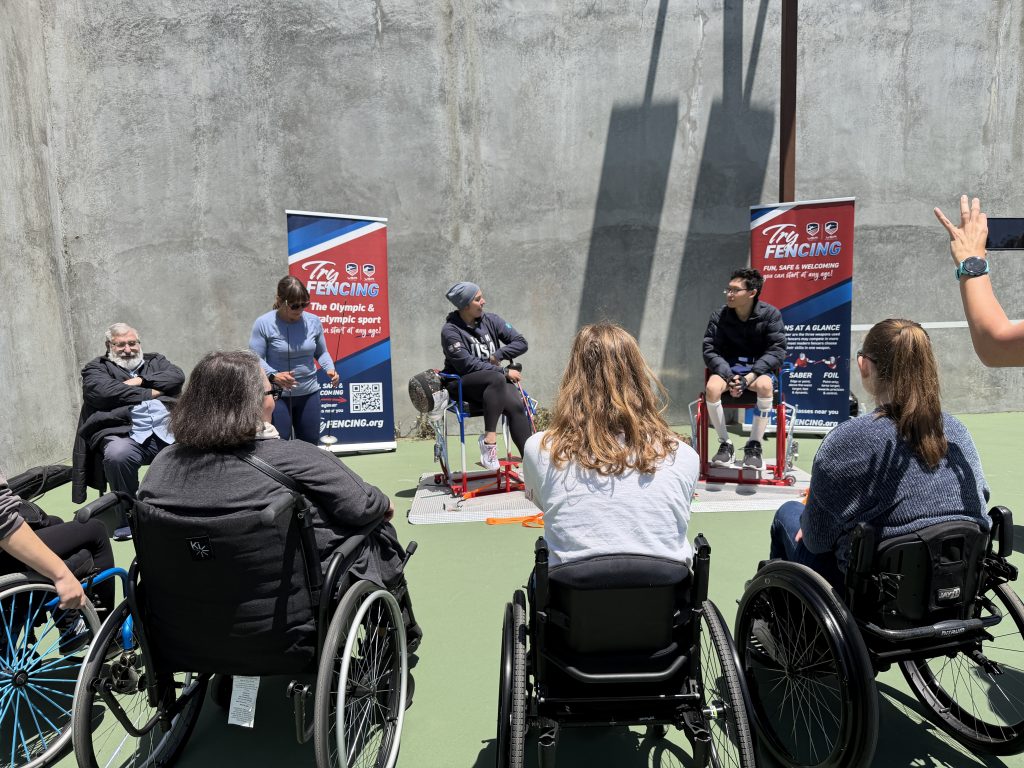
Staff members guide potential players through the equipment, such as fencing platforms and frames, while adjusting for handedness. The programs are inclusive and adaptable, offering different classifications based on individual skill levels and personal preferences to ensure everyone can find a program that works for them.
They have 5-day summer programs.
The Bair Island Aquatic Center (BIAC) in Redwood City offers both on-land and on-the-water rowing programs. On-land training utilizes ergometers (rowing machines) with stationery feet, while the on-the-water program features adaptable boats designed to meet various accessibility needs, including a specialized lift for individuals with physical disabilities.

The center offers instruction and equipment for diverse participants. While the facility can accommodate around ten people in their training space, capacity is often dependent on the specific level of adaptation required, particularly the availability of specialized seating.
They offer an introductory program Saturdays from 11am until noon.